Call to Artists: Artist Series T-Shirt Design Contest
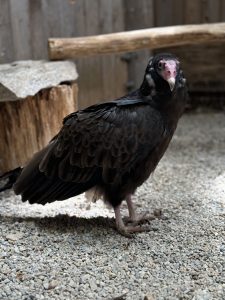
To help celebrate the arrival of our newest ambassador animal at NH Audubon’s McLane Center — a Turkey Vulture — we’re inviting artists, illustrators, designers, and creatives of all kinds

To help celebrate the arrival of our newest ambassador animal at NH Audubon’s McLane Center — a Turkey Vulture — we’re inviting artists, illustrators, designers, and creatives of all kinds
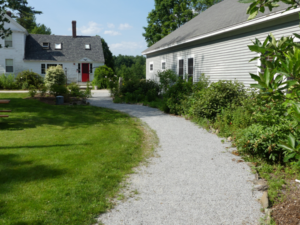
The Massabesic Center’s trail system is getting a new look! The exciting construction that started last September is ramping back up in May, 2025! Thanks to a Recreational Trails Program
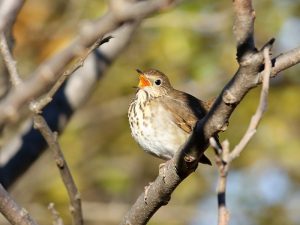
(by Doug Bechtel, NH Audubon President) “What’s your favorite season?” I always find that hard to answer because I love all four, and feel lucky to live somewhere we experience
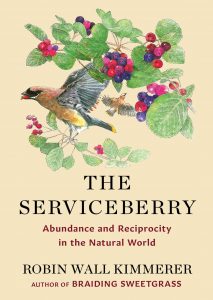
Our first book club meeting is almost a week away! The meeting will be held via Zoom and will focus on themes, reactions, and takeaways from Robin Wall Kimmerer’s The

Wednesday, October 9: 6-7:30pm via Zoom Raptors, foxes, coyotes, and other predators keep New Hampshire’s’ ecosystems in balance. But in recent years, shocking numbers of these important predators have been
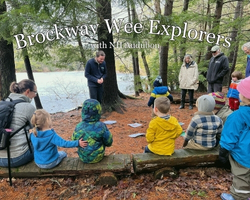
(by Devin Guilfoyle) October marks the return of the Brockway Wee Explorers program series! Accompany your 3-5 year old as we examine nature and the seasons at the John Brockway
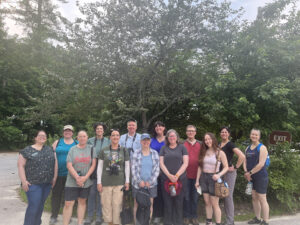
(by Anita Fernandez) It’s Tuesday evening, June 25 just outside the door of the McLane Center at the Silk Farm Wildlife Sanctuary in Concord. The weather is pleasantly calm, no
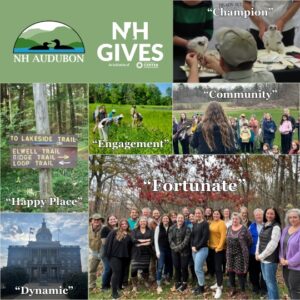
(by Jen Thomas) “Dynamic,” “Happy place,” “Community,” “Engagement,” “Champion.” These words represent a few reflections from our staff, board, donors, and members in response to: “Describe New Hampshire Audubon using
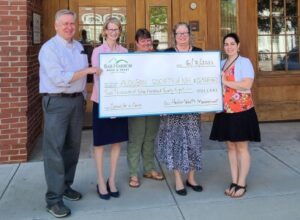
New Hampshire Audubon is honored to be a recipient of Bar Harbor Bank and Trust’s employee-driven charitable giving program, Casual for a Cause. President Doug Bechtel extended his gratitude for this
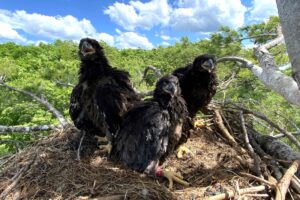
(by Chris Martin) During the final week in May, New Hampshire Audubon’s raptor biologist Chris Martin teamed with colleagues from the Biodiversity Research Institute (BRI) to examine, band, and obtain