
Vendors for the Spring Craft Fair
We are excited to announce the vendors for the Spring Craft Fair at the Annual Native Plant Sale this June. This selection of talented local artisans will be offering a

We are excited to announce the vendors for the Spring Craft Fair at the Annual Native Plant Sale this June. This selection of talented local artisans will be offering a
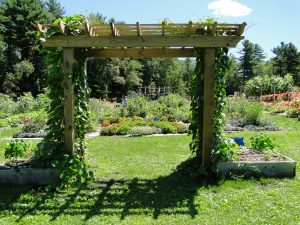
Join us for a special celebration of nature, art, and community at New Hampshire Audubon’s Massabesic Center! This free event showcases the newly installed All Persons Trail that winds through
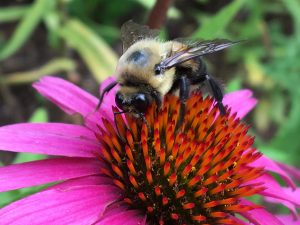
(Articles by Diane De Luca) In the past few weeks, we have been sharing articles with important tips to create a pollinator-friendly space in your backyard – and it’s easier

(by Diane De Luca) Share Your Pollinator Garden! Your pollinator garden is more than just beautiful – it’s a crucial part of restoring habitat for bees, butterflies, hummingbirds, and other
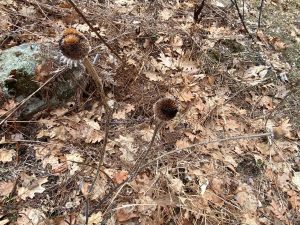
(by Diane De Luca) Step Six: Embracing Wildness: A Balanced Approach to Supporting Pollinators Manicured gardens may look tidy, but a little wildness goes a long way in supporting wildlife!
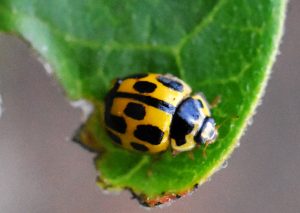
(by Diane De Luca) Step Five: Ditch the Pesticides Chemical pesticides, herbicides, and fungicides are significant threats to pollinators and the ecosystems they support. Many insecticides are broad-spectrum and can
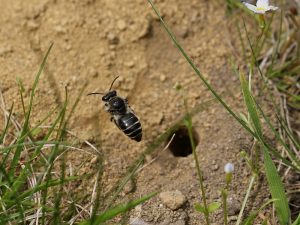
Step Four: Provide Nesting and Shelter Spaces Pollinators need more than flowers – they also require safe, sheltered spaces to rest, nest, and overwinter. Providing a variety of nesting and
(by Willa Coroka) While only the very tips of our eagerly anticipated spring vegetation have begun to peak through the soil over at the Manchester Pocket Pollinator Gardens, in a
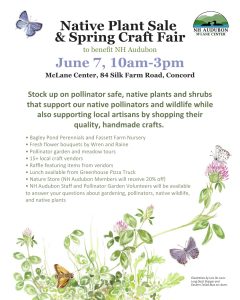
June 7, 10am-3pm at the McLane Center in Concord. Join us for the McLane Center’s Annual Native Plant Sale and Craft Fair! Bagley Pond Perennials and Fassett Farms will be offering
(by Diane De Luca) Step Three: Plan for Blooms All Season Pollinators need a continuous supply of nectar and pollen from early spring through late fall. Providing a sequence of