
Sometimes it is impossible to schedule programs around natural phenomena ahead of time. Many wonders of nature, such as the springtime movements of frogs and salamanders or fall migration of Monarch butterflies, are heavily weather-dependent. To share these unusual experiences with you, we invite you to join the mailing list for NH Audubon Pop-Up Programs!
How it works:
- Sign up for the Pop-Up Programs email list
- 2-4 weeks ahead of an upcoming Pop-Up Program, mailing list recipients will receive an email with the program description and 7-day scheduling window for upcoming research demonstrations and nature experiences
- 36-48 hours ahead of the program, we will send email list recipients a confirmation email with the precise Pop-Up Program day and time, plus a link to RSVP
- RSVP to any Pop-Up Programs you wish to attend
Topics for upcoming Pop-Up Programs may include, but are not limited to:
- Bird banding demonstrations (May – October)
- Nocturnal moth observation and ID (June – August)
- “Pollinator Prowl” pollinator species observations around NH Audubon center gardens (late June)
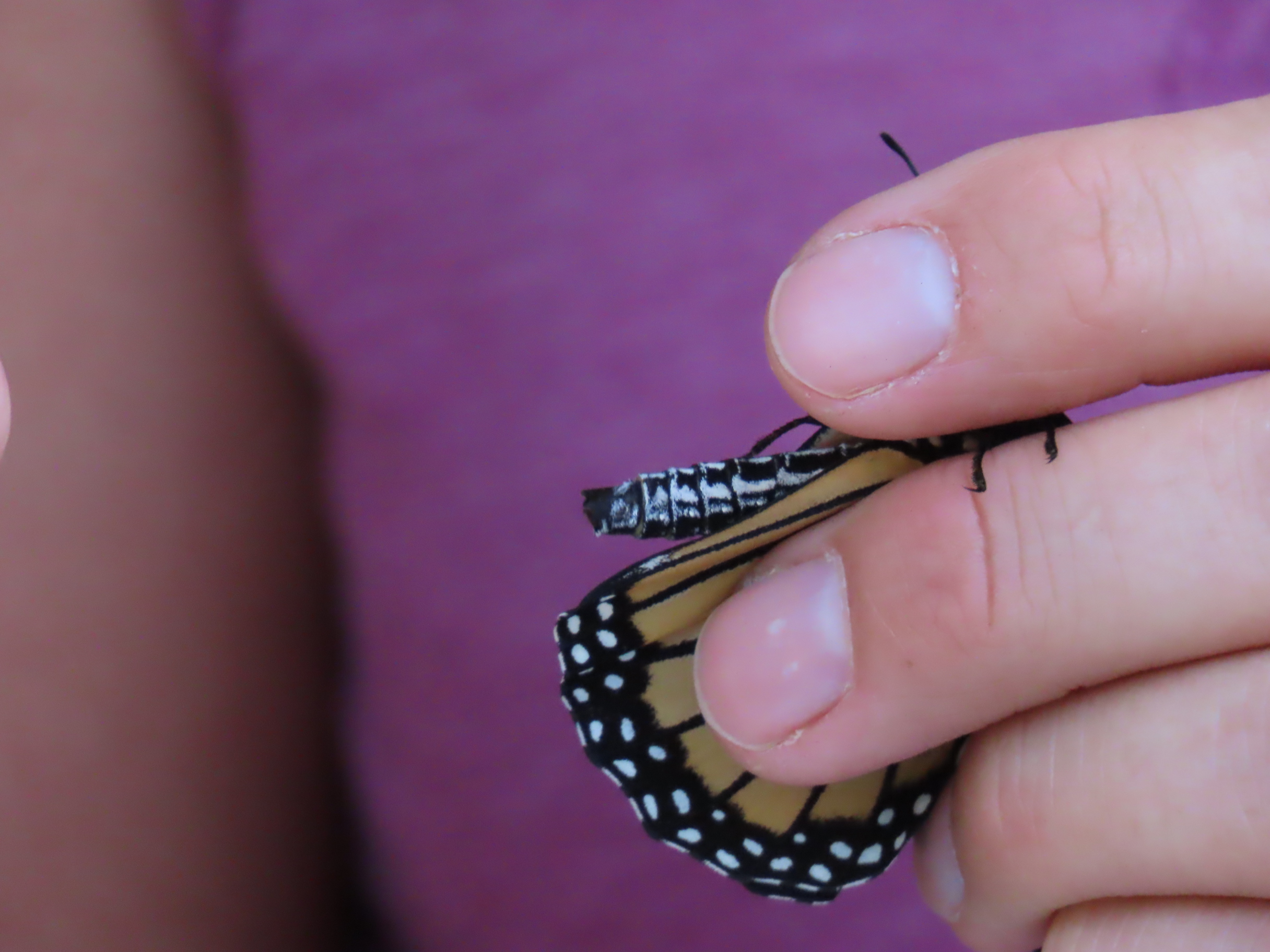
- Monarch butterfly migration tagging demonstration (September)
- Birding during winter finch irruptions (December – March)
- Winter wildlife tracking (December – March)
- Observing spring amphibian migration (April)
- American Woodcock “timberdoodle dance” observation walk (April)
- “Big Night” nocturnal songbird migration observation (May and/or September)
Pop-Ups are free to attend. If you feel inspired to support New Hampshire Audubon’s work, please consider a gift to our Annual Fund at nhaudubon.org/donate. Your contribution supports priorities like environmental education for people of all ages across NH, stewardship of nearly 10,000 acres of conserved habitat, science-based environmental policy and advocacy, and statewide conservation research and wildlife monitoring.