Bald Eagle – live-streamed animal talk
The Bald Eagle is a fascinating creature! Meet our ambassador Eagle with NH Audubon’s Shelby Morelli. You will also learn about what Bald Eagles eat, their habitat, and their biology. […]
What is our most common aquatic turtle in New Hampshire? Does New Hampshire have box turtles? These are two common questions people have here in the great granite state. Join […]
“Who cooks for you?” Well, ask the Barred Owl! Meet our most common owl species during this live animal presentation via Zoom. Owls are mysterious creatures, and everyone loves to […]
Naturalist David Mizejewski shares how to create a beautiful garden or landscape that fits into the local ecosystem and supports birds, butterflies, bees and a whole host of other wonderful […]
When gardeners think of designing a landscape for pollinators, they may imagine a colorful bed of herbaceous flowers. However, flowering trees and shrubs are essential parts of the habitat required […]
Who are “the pollinators”? Learn about the most common types of wild pollinators, their vital ecological role, and how we can profoundly impact the diversity of pollinators in our own […]
Sunday, May 30, 3 - 4 pm Cost: $5 (free to those attending Pelagic Trip on May 31) Leader: Jon Woolf Watch an educational slideshow about some of the wildlife […]
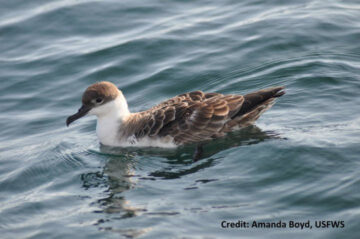
This trip is sold out. Location: Rye Harbor, NH Monday, May 31 (Memorial Day), 8 am - 5 pm Cost: $70 M/$90 NM Join NH Audubon aboard MV Granite State as […]
How many kinds of bees can you name: honey bees, bumble bees, sweat bees perhaps? Most people are familiar with our non-native honey bees and their role in pollinating commercial […]
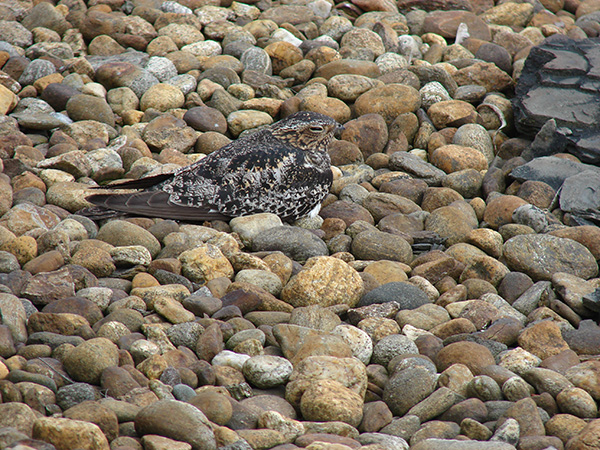
It’s nearly time for the first Common Nighthawks to return. These insect-eating birds were once common in cities throughout New Hampshire, but they are now endangered in the state. Volunteers […]
Native bees and predatory wasps share the same lineage and also share many behaviors and habitat requirements. Predatory wasps feed their offspring invertebrates (insects and spiders) and bees diverged from […]
Once only thought of as annoyances, moths are now being appreciated for their beauty, diversity, ecological role, pollination duties, and economic value. With more than 10x the number of species […]