Build It and They Will Come: Go Native
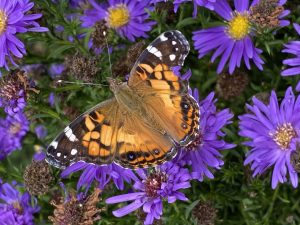
(by Diane De Luca) Step Two: Go Native! Native plants provide the best food and shelter for local pollinators because they have evolved alongside them for thousands of years, creating

(by Diane De Luca) Step Two: Go Native! Native plants provide the best food and shelter for local pollinators because they have evolved alongside them for thousands of years, creating
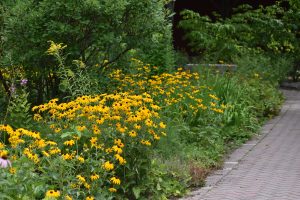
(by Diane De Luca) Step One: Choosing the Right Location Creating a pollinator garden is one of the best ways to support bees, butterflies, hummingbirds, and other beneficial insects. The
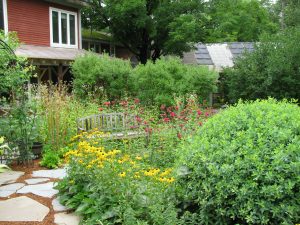
(by Diane De Luca) Our “Build It And They Will Come” series begins today as we answer the question, “Why Create a Pollinator Garden?” Pollinators, including bees, butterflies, moths, beetles,
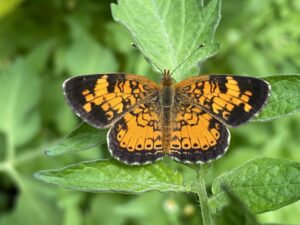
(by Diane De Luca) After a very hot and humid July, participants in the second annual Capital Area Butterfly Survey were fortunate to enjoy favorable weather for our day of
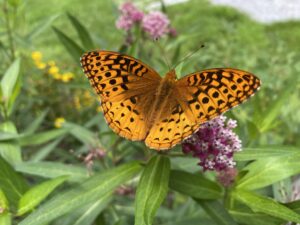
(by Melissa Moore, NH Audubon Volunteer) Sedum and Asters are fading in your flower garden. Buttercup and Acorn squash sit in storage. Garden cleanup now tops your to-do list. There
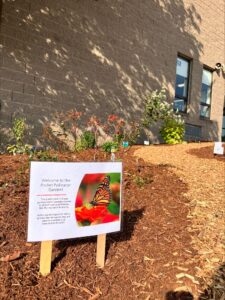
(by Willa Coroka) Manchester’s premier Pocket Pollinator Garden is officially planted and growing at its first location at Beech Street Elementary School. The Pocket Pollinator Gardens, designed to support both
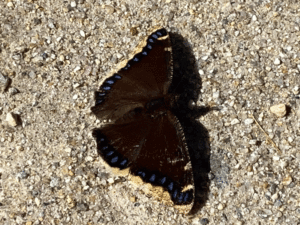
(Photos and story by Diane De Luca) In the early days of spring, we are often greeted with the first emergence of the Mourning Cloak butterfly. What a gift as
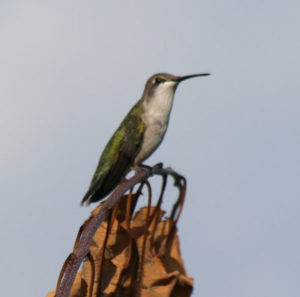
(by Pam Hunt) Fall migration is here, and while many birders focus on the warblers, thrushes, and sparrows starting to wing their way south, there’s another popular migrant species that’s
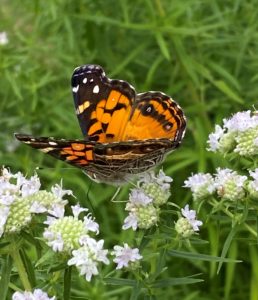
(Photos and story by Diane De Luca) The gardens are alive with pollinators. Visitors, campers, and those of us who work in the gardens are all drawn to the activity
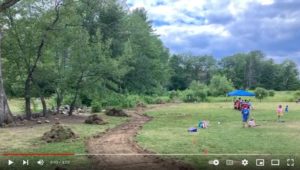
Parker Schuerman created this collage video of all the hard work he and his team are putting into the nearly-finished All Persons Trail at McLane Center. This trail is our