
(by Diane De Luca)
Step Five: Ditch the Pesticides
Chemical pesticides, herbicides, and fungicides are significant threats to pollinators and the ecosystems they support. Many insecticides are broad-spectrum and can kill both harmful and beneficial insects, including bees, butterflies, and other pollinators. Even systemic pesticides, which are absorbed into plant tissues, can contaminate nectar and pollen, exposing pollinators to harmful toxins.
Reducing or eliminating pesticide use is one of the most effective ways to protect pollinators. Fortunately, there are environmentally friendly alternatives that promote a healthy garden ecosystem.
Why Avoid Pesticides?
- Lethal Effects: Neonicotinoids and other systemic insecticides are particularly harmful, impacting pollinators’ nervous systems, impairing navigation, and reducing foraging efficiency.
- Sublethal Effects: Even low pesticide exposure can reduce reproductive success, weaken immune systems, and interfere with learning and memory.
- Contaminated Resources: Pesticides applied to flowers and foliage can persist in the soil and water, affecting not only pollinators but also beneficial soil organisms.
Safer Pest Management Methods
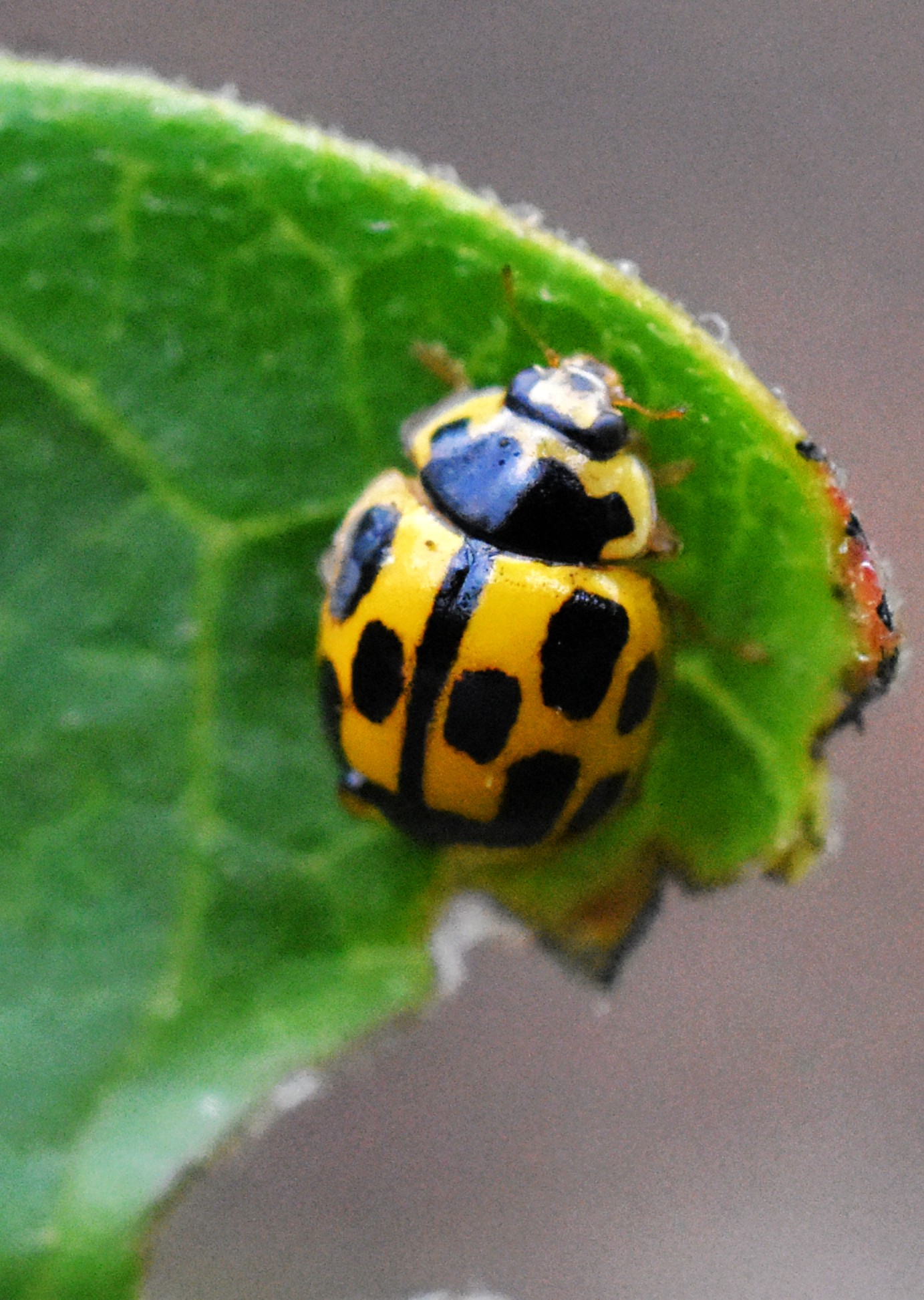
- Encourage Beneficial Insects
- Attract natural predators like ladybugs, lacewings, and parasitic wasps by planting nectar-rich flowers such as yarrow (Achillea millefolium) and dill (Anethum graveolens).
- Avoid broad-spectrum pesticides that kill beneficial insects along with pests.
- Promote Plant Diversity
- A diverse selection of native plants supports a balanced ecosystem, reducing the likelihood of pest outbreaks.
- Include species with varying bloom times and a mix of heights and textures to deter pests naturally.
- Practice Physical Controls
- Hand-pick pests like Japanese beetles when populations are small.
- Use row covers or fine mesh netting to protect vulnerable plants.
- Remove diseased plants to prevent the spread of pathogens.
- Enhance Soil Health
- Healthy soil supports vigorous plants that are more resistant to pests and diseases.
- Add compost and mulch to nourish soil organisms and retain moisture.
- Still Need Options? Go Organic
- Use targeted, low-impact options like neem oil, insecticidal soap, or horticultural oils. These break down quickly and reduce unintended harm.
- Apply treatments early in the morning or late in the evening when pollinators are less active.
- Avoid Spraying Flowers: Only apply treatments to leaves and stems, avoiding blooms where pollinators gather.
- Spot Treat When Possible: Instead of widespread spraying, treat only the affected areas.
- Rinse Residue: After an appropriate time (usually 24 hours or according to the label), gently rinse plants with water to remove any remaining product.
- Use Correct Dilutions: Follow the product label instructions closely to prevent unnecessary harm.
- By following these practices, neem oil, insecticidal soap, and horticultural oils can be effective in managing pests while maintaining a pollinator-friendly environment.
Important Tip: Timing Matters
Even organic pesticides can harm pollinators if applied carelessly. To minimize risk:
- Avoid spraying during bloom time when pollinators are actively foraging.
- Apply treatments early in the morning or late evening when pollinator activity is lower.
- Always read labels to ensure products are pollinator-safe.
By committing to pesticide-free gardening and implementing these sustainable pest management methods, you’ll help create a healthier habitat for pollinators.