
(by Diane De Luca)
From backyard gardens to working farms, pollinators are essential partners in maintaining healthy ecosystems. Bees, butterflies, moths, beetles, and even some birds play a critical role in plant reproduction, and their decline is raising concerns among scientists, conservationists, and communities across New England and beyond.
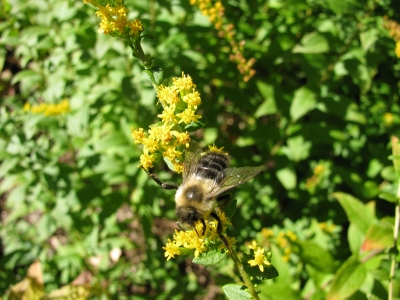 Ecological Importance: Pollinators are a cornerstone of biodiversity. By transferring pollen between flowers, they enable plants to produce seeds and fruit, supporting entire food webs. Many native plants depend on specific pollinators with which they have co-evolved over thousands of years. In turn, these plants provide food and habitat for insects, birds, and other wildlife. Without pollinators, the structure and stability of ecosystems begin to unravel.
Ecosystem Services: Beyond their ecological role, pollinators provide critical ecosystem services that directly benefit people. A significant portion of the food we eat, including fruits, vegetables, nuts, and seeds, relies on pollination. In agricultural systems, pollinators improve crop yields and quality, contributing billions of dollars annually to the economy. In natural landscapes, they support plant communities that help clean air and water, stabilize soils, and store carbon.
Conservation Concerns: Despite their importance, pollinators are facing serious threats. Habitat loss from development and lawn-dominated landscapes has reduced the availability of native plants that pollinators depend on. Widespread pesticide use, climate change, invasive species, and disease are compounding the problem. In New England, shifts in seasonal timing are also affecting the synchronization between pollinators and the plants they rely on.
 The good news is that individuals and communities can make a difference. Planting native species, reducing pesticide use, and creating habitat in residential and public spaces can help support pollinators on a meaningful scale. As awareness grows, so does the opportunity to protect these vital species, ensuring that both natural ecosystems and human food systems continue to thrive.
At NH Audubon, we’re committed to protecting native pollinators as a key part of our mission: “Protecting NH’s Natural Environment for Wildlife and for People.” By creating and preserving spaces where pollinators can thrive, we’re working toward a healthier, more vibrant future. Join us in taking action—learn, garden, and advocate for pollinators today!
Learn more about NH Audubon’s efforts to protect pollinators and related upcoming events in our special pollinator eNews.