
This is New Hampshire Audubon’s Rare Bird Alert for Monday, March 30, 2026.
A male KING EIDER continues to be seen at Four Tree Island and at Peirce Island in Portsmouth and was last reported on March 28th.
A male EURASIAN WIGEON was seen at the north end of River Road in Plainfield on March 24th.
A male REDHEAD was seen at the Wilder Reservoir in Lebanon on March 28th.
2 BLUE-WINGED TEAL were seen at Jackson’s Landing in Durham on March 25th, and 2 were seen at the Hampton Salt Marsh Conservation Area on the 29th.
A GADWALL was seen at Airport Marsh in Whitefield on March 26th.
6 SNOW GEESE were seen at Sewell’s Falls Bridge in Concord on March 28th.
A RED-NECKED GREBE was seen at Lower Landing Road in Charlestown on March 23rd.
2 COMMON LOONS were seen on the Connecticut River in Hanover on March 30th.
2 SANDHILL CRANES were seen in cornfields located behind churches on Route 13 and Langley Parkway in Concord on March 29th, 2 were seen in the fields at West Locke Road in Concord on the 27th (same 2?), and 3 were seen at Bedell Bridge State Park in Haverhill on the 25th,
6 GREAT EGRETS were seen at Landing Road in Hampton on March 30th, 1 was seen at Witch Island in Hampton on March 28th, and 1 was seen in Gilsum on the 28th.
2 GREATER YELLOWLEGS were seen at Chapman’s Landing in Stratham on March 27th, 1 was seen at Parson’s Creek Salt Marsh in Rye on the 29th, and 1 was seen at Witch Island in Hampton on the 28th.
A CASPIAN TERN was seen at the Hinsdale Setbacks and later on at the Connecticut River in Charlestown on March 27th.
A LESSER BLACK-BACKED GULL was seen at Horseshoe Pond in Concord on March 26th.
A DOUBLE-CRESTED CORMORANT was seen at Jackson’s Landing in Durham on March 29th.
A NORTHERN SHRIKE was seen at Sip Pond in Fitzwilliam on March 28th.
A MERLIN was seen in Colebrook on March 24th.
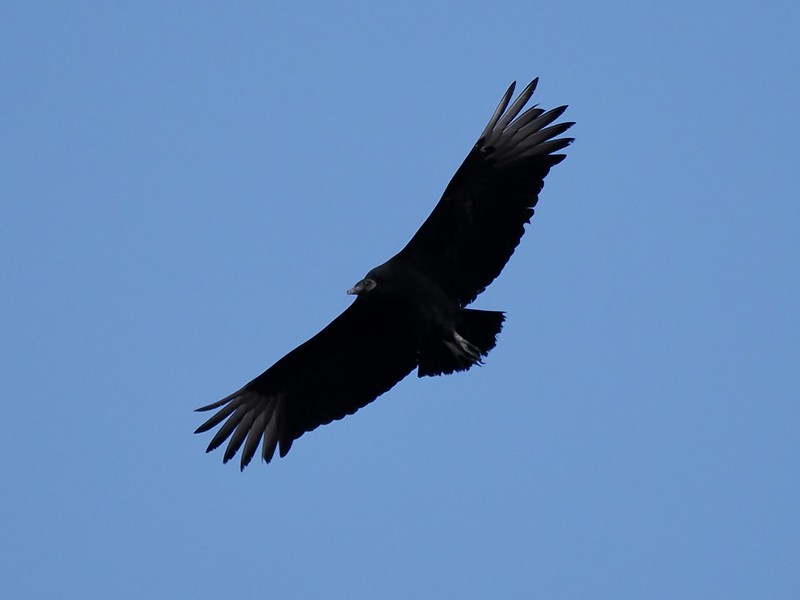
3 BLACK VULTURES were seen in Goffstown, 3 were seen in Exeter, 1 was seen in Durham, 1 was seen in Concord, and 1 was seen in Newington, all during the past week.
5 OSPREYS were reported from southeast NH during the past week
21 EVENING GROSBEAKS were reported from Deerfield on March 26th.
A SNOW BUNTING was reported from West Locke Road in Concord on March 28th.
An EASTERN TOWHEE was seen at the north end of River Road in Plainfield on March 24th.
A PINE WARBLER was seen in Fitzwilliam and 1 was seen in Rochester both on March 27th.
A RED-BELLIED WOODPECKER was seen again at Mechanic Street in Gorham on March 28th.
4 AMERICAN PIPITS were seen in fields on Route 155A in Durham on March 27th.
A HERMIT THRUSH continues to be seen in Gilford, and was last reported on March 24th. Made it through the winter!
AMERICAN WOODCOCKS were reported from numerous locations during the past week. PEENT!
The warming weather should open-up bodies of water, which will attract water birds of all sorts – so keep your eyes and ears alert and please share your sightings!
An archive of rare bird alerts is available at nhaudubon.org/rba. If you have seen any rare birds recently you can leave a voicemail at (603) 224-9909, following the prompts on how to report a rare bird. You can also send your sightings via email to birdsetc@nhaudubon.org. Please put “Rare Bird” in the subject line and include the location of the sighting and your phone number.
What is the Rare Bird Alert?
The New Hampshire Rare Bird Alert is a list of birds that is posted, usually on a weekly basis on NH Audubon’s website, and several public websites. The primary goal of the list is to help bird watchers find uncommon or rare birds that occur within the geographical boundaries of NH.
What makes a bird rare?
A bird may be considered rare if it’s outside its usual range, present at an unusual time of year, or found in an unexpected part of the state. For example, a Red-bellied Woodpecker in southern NH is expected, but one in Coos County would be unusual. A Black-throated Blue Warbler in summer is normal but in winter it would be rare. While a Roseate Spoonbill would be rare in any season. To learn more, read “So You Think You Found a Rare Bird? A Quick Guide to What Counts and How to Report It” on the Joy of Birding.
Available NOW:
Birding Northern New Hampshire by Robert A. Quinn
Boreal birds and dramatic vistas await you most any time of the year in New Hampshire’s North Country. Follow birder and naturalist Robert A. Quinn’s detailed new guide, Birding Northern New Hampshire, to the best birding in northern Coos County. All proceeds go to NH Audubon. For more info and to order a copy, check out this link.
Thanks very much and good birding.